
Introduction
Knee pain from early knee arthritis affects thousands of active adults who want to stay mobile, work, and enjoy sports. As an orthopaedic and sports surgeon practicing in Goa, Dr Ketan Naik offers advanced, evidence-based non-surgical treatments — including platelet-rich plasma (PRP) injections — to relieve pain, improve function, and potentially slow cartilage degeneration. This article explains what PRP injections are, how they help early knee arthritis, what to expect during treatment, and why patients choose Dr Ketan Naik for arthritis treatment in Goa.
What are PRP injections?
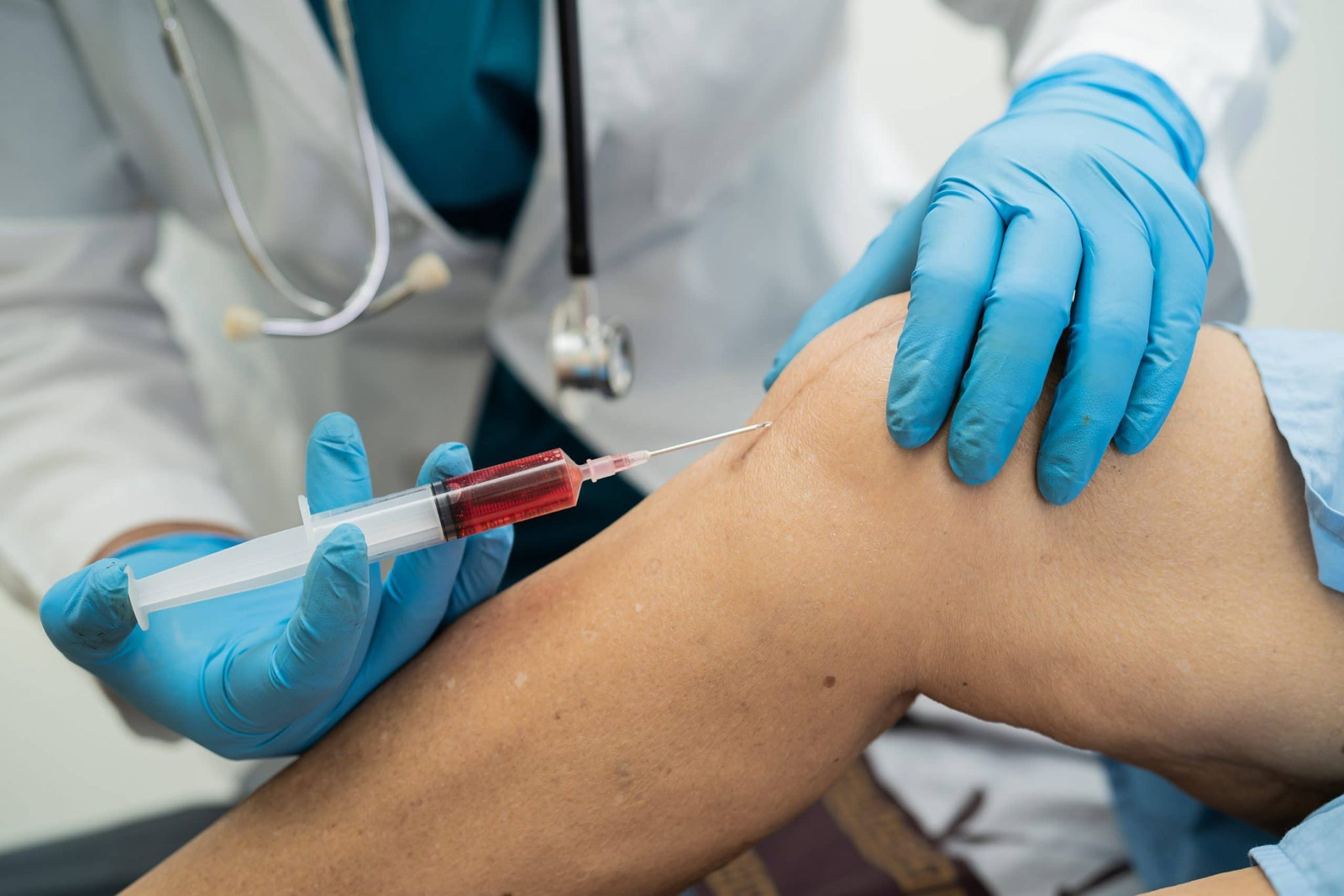
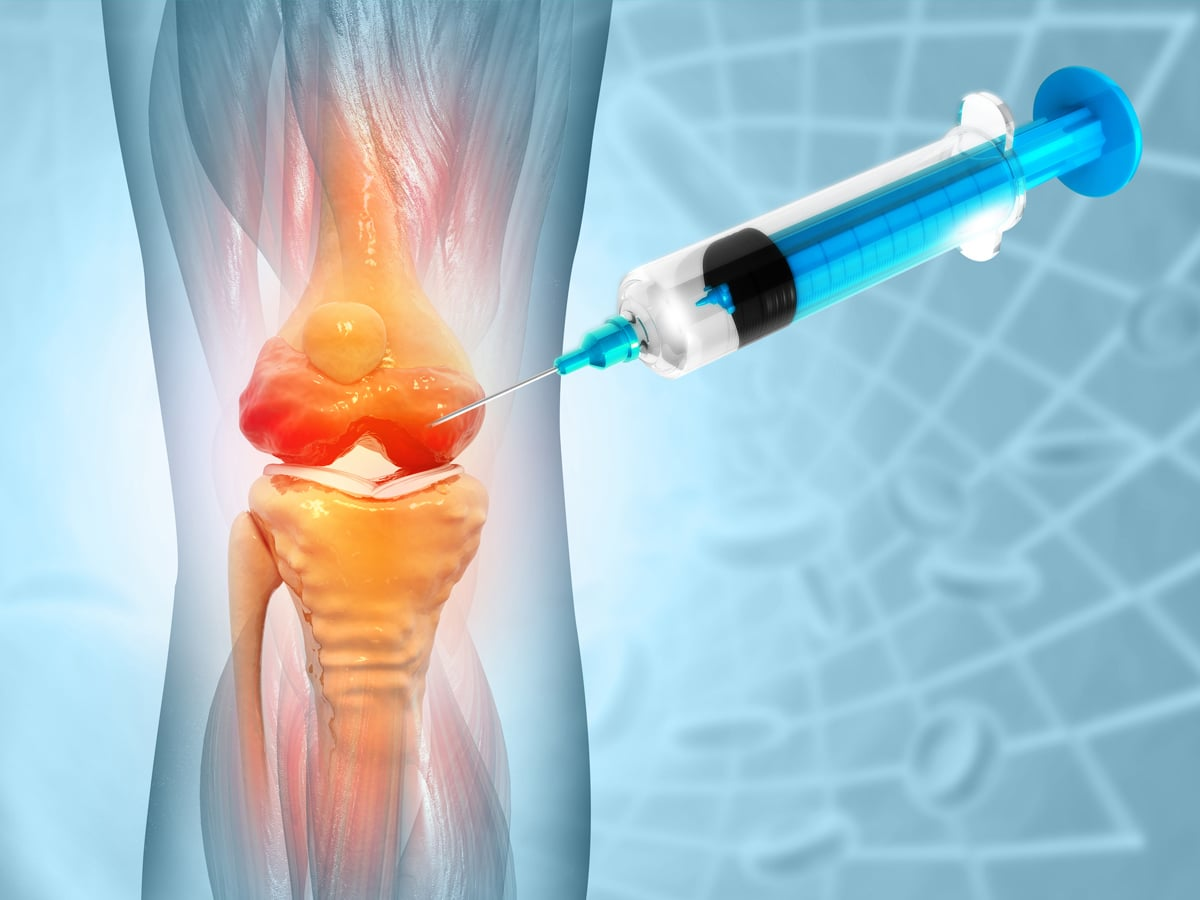
Platelet-rich plasma (PRP) is a concentration of platelets derived from the patient’s own blood. Platelets contain growth factors and cytokines that help modulate inflammation and promote tissue repair. For knee arthritis, PRP injections deliver these bioactive molecules directly into the knee joint to reduce pain and improve joint function without the risks associated with surgery or long-term medication use.
Why PRP for early knee arthritis?
Targets the source: In early knee arthritis, cartilage damage and joint inflammation are limited. PRP’s growth factors can support healing responses and reduce inflammatory mediators in the joint.
Low-risk: Because PRP is autologous (from your own blood), risks of allergic reaction or disease transmission are extremely low.
Minimally invasive: PRP injections are done as an outpatient procedure with minimal downtime — ideal for active patients and athletes.
May delay surgery: For many patients, PRP can reduce symptoms and improve function enough to postpone or avoid joint replacement for years.
Who is a good candidate?
PRP injections are most effective in patients with early to moderate knee osteoarthritis (often graded KL I–III). Ideal candidates include:
Adults with early cartilage wear and joint-line pain
Patients seeking non-surgical and steroid-sparing options
Active individuals, weekend warriors, and athletes looking to return to sport
Patients without severe joint deformity or advanced bone-on-bone arthritis
How PRP injections work: a simple overview
Blood draw: A small amount of the patient’s blood is drawn (similar to routine blood tests).
Centrifugation: The blood is spun in a centrifuge to concentrate platelets and separate plasma.
Injection: The PRP is injected into the knee joint under sterile conditions; ultrasound guidance may be used for precise placement.
Recovery: Most patients rest briefly and gradually resume activities over days to weeks. A short course of physiotherapy often enhances outcomes.
What to expect during and after treatment
Procedure length: About 20–40 minutes including preparation.
Pain: Mild discomfort at the injection site is common; some patients experience a temporary increase in joint pain for 24–72 hours as the PRP begins to act.
Activity: Light activity is permitted the same day; heavy exercise should be avoided for 1–2 weeks unless advised otherwise.
Results timeline: Many patients report gradual improvement in pain and function over 4–12 weeks. Benefits can last months to over a year, and repeat injections may be recommended depending on symptoms.
Evidence and outcomes
Clinical studies and meta-analyses support PRP for symptomatic relief in early knee osteoarthritis, often showing better pain and function outcomes compared to placebo, hyaluronic acid, or steroid injections in the short to medium term. Results vary by PRP preparation, injection protocol, patient age, activity level, and arthritis severity. Dr Ketan Naik customizes PRP protocols to each patient’s needs, using best-practice techniques and ultrasound guidance to maximize effectiveness.
Why choose Dr Ketan Naik — Orthopaedic and Sports Surgeon in Goa
Expertise: Dr Ketan Naik is a specialist in orthopaedics and sports medicine with experience in regenerative treatments for joint preservation.
Personalized care: Each treatment plan is tailored after a comprehensive assessment, including clinical exam and imaging.
Advanced techniques: Ultrasound-guided injections and evidence-based PRP preparations help ensure accurate delivery and optimize outcomes.
Holistic management: Alongside PRP, Dr Naik emphasizes physiotherapy, weight management, activity modification, and supplements when appropriate to support long-term joint health.
Local care in Goa: For residents and visitors in Goa seeking arthritis treatment, Dr Naik offers convenient access to modern orthopaedic care without needing to travel out of state.
Combining PRP with a comprehensive knee program
PRP is most effective when integrated into a broader joint-preserving strategy:
Physiotherapy: Strengthening the quadriceps and hip muscles reduces knee load and improves function.
Weight optimization: Even modest weight loss can significantly reduce knee joint stress.
Activity modification: Low-impact activities (swimming, cycling) help maintain fitness without aggravating the knee.
Bracing and orthotics: Targeted supports can improve alignment and relieve pressure on damaged areas.
Follow-up and monitoring: Periodic assessments track progress and guide repeat PRP or alternative interventions.
Common questions about PRP injections
- Is PRP covered by insurance? Coverage varies. Many insurers consider PRP experimental for arthritis, so patients should check with their provider. Dr Naik’s team can assist with cost information and financing options.
- How many injections will I need? Protocols range from a single injection to a series of 2–3 injections spaced weeks apart. Dr Naik will recommend a regimen based on your condition.
- Are there alternatives? Yes-physical therapy, medications, hyaluronic acid injections, arthroscopic procedures, and joint replacement for advanced disease. PRP is an option that sits between conservative care and surgery.
Safety and side effects
PRP is generally well-tolerated. Possible side effects include transient pain, swelling, and local irritation. Serious complications are rare. A thorough evaluation ensures PRP is appropriate and safe for each patient.
Patient experience: what people report
Many patients treated by Dr Ketan Naik in Goa report meaningful reductions in pain, improved mobility, and the ability to return to recreational activities. Patient satisfaction often stems from combining PRP with guided rehabilitation and lifestyle adjustments.
Book a consultation with Dr Ketan Naik in Goa
If you are experiencing early knee arthritis and would like to explore PRP injections as a non-surgical option, schedule a consultation with Dr Ketan Naik, orthopaedic and sports surgeon in Goa. During your visit you will receive a full assessment, individualized recommendations, and a clear plan tailored to your goals and lifestyle.
Conclusion
PRP injections offer a promising, minimally invasive treatment for early knee arthritis that can reduce pain, improve function, and help delay more invasive procedures. Under the care of Dr Ketan Naik, patients in Goa receive expert evaluation, precise PRP delivery, and a comprehensive plan focused on long-term joint health. To learn whether PRP injections are right for your knee, contact Dr Naik’s clinic and take the first step toward regaining pain-free mobility.