
Meniscus Repair
A procedure focused on repairing and preserving the knee’s natural shock absorber rather than removing it. By maintaining the meniscus, long-term joint health and stability are protected. Performed using minimally invasive techniques, meniscus repair reduces pain and improves knee function. Proper rehabilitation ensures healing while allowing a safe return to normal activity.
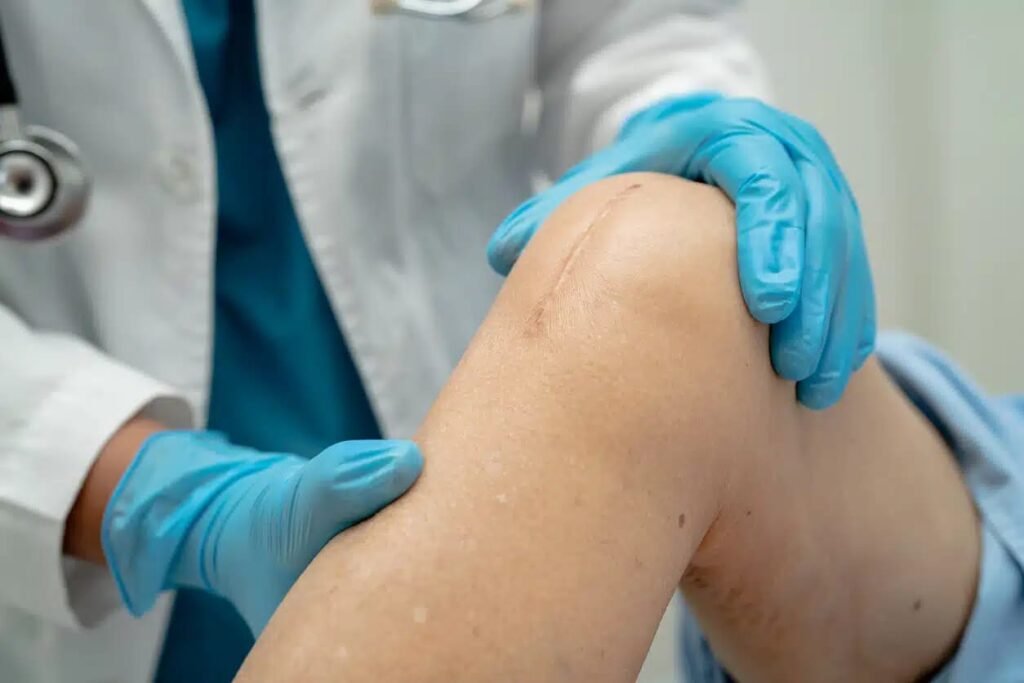
Purpose
Preserving Knee Function Through Meniscus Repair
Meniscus repair focuses on preserving the knee’s natural shock absorbers, which protect the joint from wear and tear. When possible, repairing rather than removing the torn tissue helps maintain long-term knee health and reduces the risk of arthritis. The procedure is performed arthroscopically, allowing for minimal tissue damage and quicker recovery.
Successful repair depends on factors such as the location and pattern of the tear. Tears in the vascular “red zone” often heal well because of better blood supply. During the procedure, the torn edges are stitched together to promote natural healing, enabling the meniscus to regain its cushioning ability.
Benefits
Minimally Invasive Treatment & Long-Term Joint Health
Post-surgery rehabilitation is critical for protecting the repair while gradually improving strength and flexibility. A structured physiotherapy program helps patients recover safely, ensuring the knee regains stability and function. Early mobility is encouraged, but high-impact activities are avoided until the repair has healed.
Meniscus repair offers long-term benefits by preserving natural joint function, reducing pain, and preventing future joint degeneration. For active individuals, this procedure helps maintain performance and protects overall knee health for years to come.