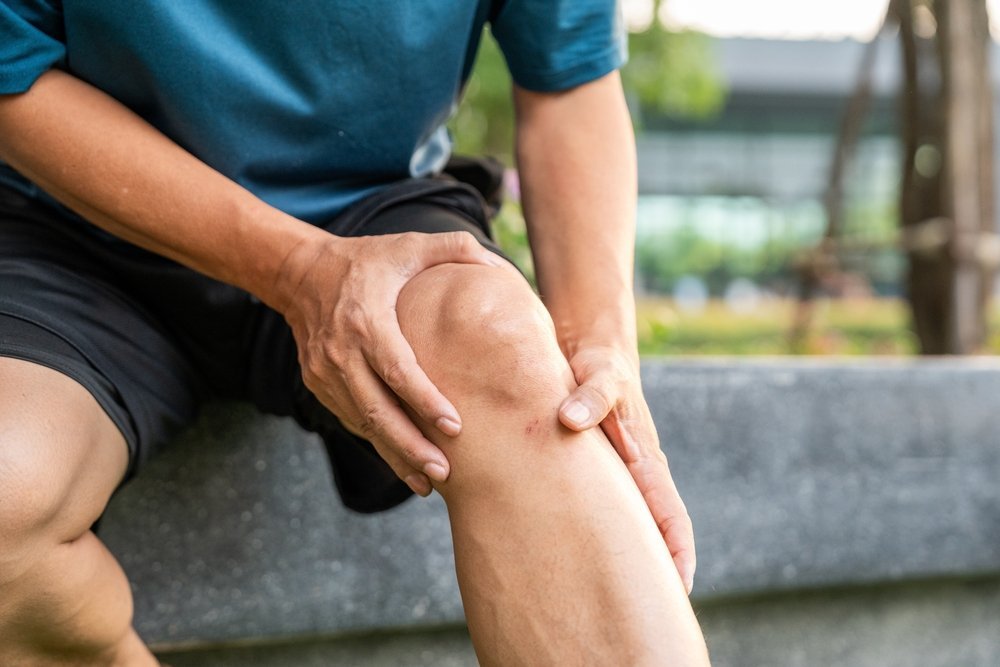
Ligament Injuries
Ligament injuries can cause pain, swelling, and joint instability, often affecting the knee, ankle, or shoulder. Early evaluation helps prevent long-term damage and recurring injury. Treatment ranges from rehabilitation and bracing to surgical repair for severe tears. Proper care restores stability, function, and confidence in joint movement.
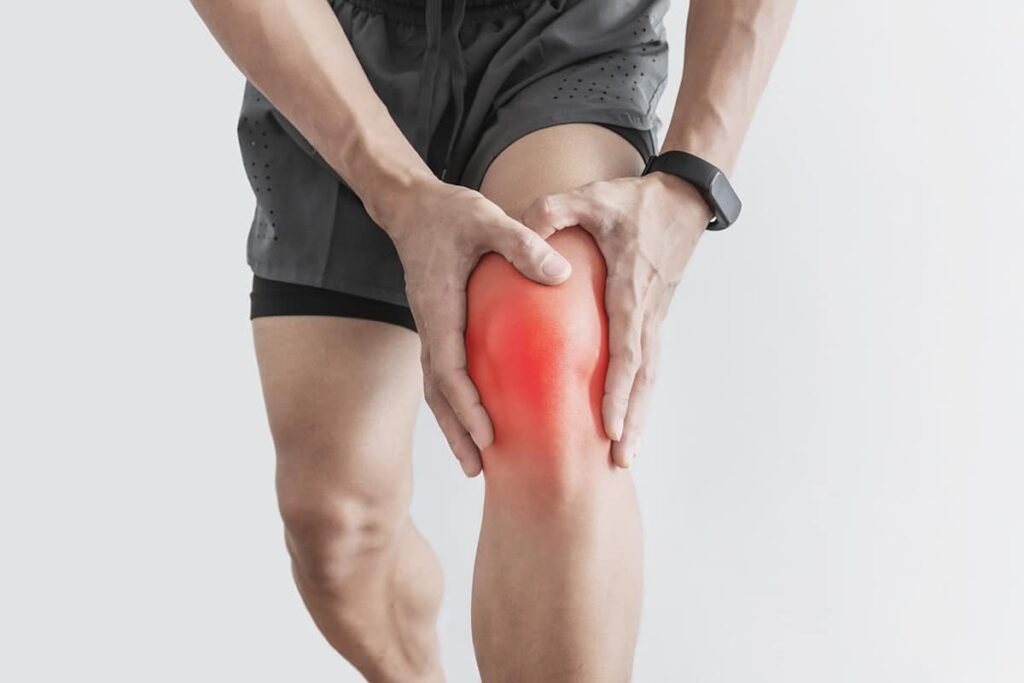
Diagnosis
Understanding Ligament Damage & Joint Instability
Ligament injuries disrupt the stability of a joint and often occur due to trauma, sudden twisting, or high-impact activity. Symptoms typically include pain, swelling, and difficulty moving the affected joint. Early evaluation is critical to determine the severity of the injury and to prevent long-term instability or cartilage damage.
Mild injuries may respond well to rest, ice, compression, bracing, and physiotherapy. These treatments help reduce inflammation, improve strength, and restore joint stability. For more severe ligament tears, surgical repair or reconstruction may be necessary to restore normal joint function.
Management
Treatment Options, Surgical Care & Recovery
Advanced techniques such as arthroscopic surgery allow for precise repair with minimal discomfort and faster recovery. Patients benefit from improved accuracy, smaller incisions, and reduced post-operative pain. Surgery is followed by structured rehabilitation to rebuild strength and mobility.
Proper treatment of ligament injuries helps prevent chronic joint instability, recurrent sprains, and future degenerative changes. With expert care and personalised rehabilitation, patients can return to daily activities or sports with confidence and restored function.