

Frozen shoulder (adhesive capsulitis) is a common and painful condition characterized by stiffness, reduced range of motion, and chronic shoulder pain. For many patients who have not improved with physiotherapy or medications, hydrodilatation (also called hydrodistension or hydrodilation) offers a minimally invasive, effective option to speed recovery and restore function. At the clinic of Dr Ketan Naik — orthopaedic and sports surgeon — we use ultrasound-guided hydrodilatation as part of a comprehensive treatment plan for shoulder pain and adhesive capsulitis.
What is hydrodilatation?
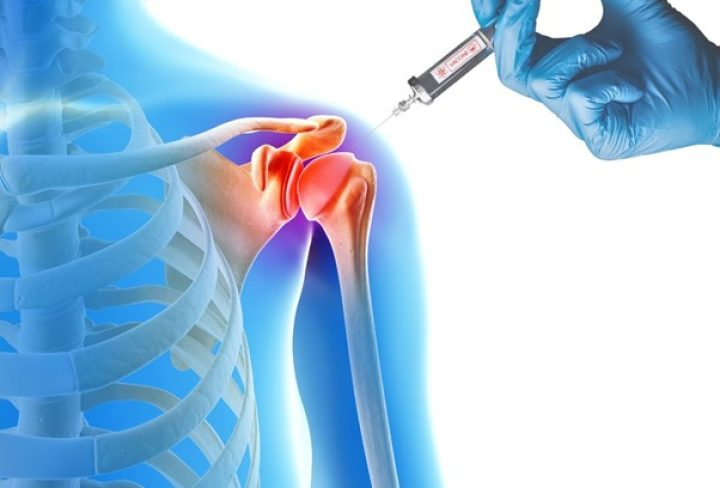
Hydrodilatation is a non-surgical injection procedure in which fluid (typically saline mixed with a local anesthetic and sometimes a corticosteroid) is injected into the shoulder joint capsule under ultrasound guidance. The goal is to gently stretch and expand the contracted joint capsule, breaking down adhesions that limit movement and relieving pain. Because the procedure is image-guided and minimally invasive, it is a popular option for patients seeking quicker improvement without surgery.
Why choose hydrodilatation for frozen shoulder?
Effective pain relief: The combination of capsule stretching and anti-inflammatory medication helps reduce pain rapidly.
Improved range of motion: By distending the capsule, hydrodilatation can restore mobility more quickly than physiotherapy alone.
Minimally invasive: Performed under local anaesthesia, usually as an outpatient procedure with minimal downtime.
Ultrasound guided: At Dr Ketan Naik’s clinic we use ultrasound-guided hydrodilatation for accurate placement and better outcomes.
Alternative to surgery: For many patients, hydrodilatation can avoid more invasive arthroscopic procedures.
Who is a candidate?
Hydrodilatation is most useful for patients with adhesive capsulitis in the freezing or frozen stages who have persistent stiffness and pain despite conservative measures such as:
Physiotherapy and stretching programs
Oral anti-inflammatories (NSAIDs)
Prior corticosteroid injections with limited effect
Patients with full-thickness rotator cuff tears, active infection, or certain medical contraindications may require alternative approaches.
Dr Ketan Naik evaluates each patient thoroughly to determine whether hydrodilatation is appropriate.
What to expect during the procedure
Pre-procedure assessment: A detailed clinical exam and ultrasound imaging to confirm the diagnosis and joint anatomy.
Procedure: Under sterile conditions, local anaesthesia is applied. Under ultrasound guidance, a needle is introduced into the glenohumeral joint and fluid is injected to distend the capsule. You may feel pressure or a brief increase in pain during injection.
Duration: The procedure usually takes 15–30 minutes.
Aftercare: You may be observed for a short period and then go home the same day. Simple analgesics are recommended for any post-procedure discomfort.
Recovery and physiotherapy
Hydrodilatation is most effective when combined with an organised rehabilitation plan. Early and guided physiotherapy after the procedure helps maintain the increased range of motion and prevents re-adhesion. Dr Ketan Naik’s shoulder pain treatment includes personalised physiotherapy protocols focusing on stretching, strengthening, and functional recovery.
Risks and outcomes
Hydrodilatation is generally safe when performed by an experienced orthopaedic or sports surgeon. Potential risks are low but can include transient pain, infection, bleeding, and allergic reaction to medications. Ultrasound guidance reduces risks by improving needle accuracy.
Clinical outcomes: Many patients experience significant pain relief and improved shoulder mobility within days to weeks. While outcomes vary depending on the stage of adhesive capsulitis and individual factors, hydrodilatation combined with physiotherapy has strong evidence supporting faster recovery than physiotherapy alone.
Why choose Dr Ketan Naik?
Dr Ketan Naik is an experienced orthopaedic and sports surgeon specialising in shoulder pain treatment, rotator cuff disorders, and adhesive capsulitis (frozen shoulder). Using ultrasound-guided hydrodilatation and evidence-based rehabilitation, Dr Naik offers personalised, minimally invasive options to restore function and reduce pain. His approach emphasises accurate diagnosis, patient education, and coordinated physiotherapy for the best long-term results.
Frequently asked questions
- Is hydrodilatation painful? You may feel pressure during injection but it’s done under local anaesthesia — post-procedure discomfort is usually short-lived.
- How many sessions are needed? Often a single session helps, but some patients may need a repeat based on response.
- When can I return to activities? Most patients resume daily activities within days; guided physiotherapy determines return-to-sport or heavy lifting timelines.
If you are suffering from frozen shoulder or persistent shoulder pain, consult Dr Ketan Naik for a comprehensive evaluation and to discuss whether ultrasound-guided hydrodilatation is right for you. Book a consultation today to take the first step towards pain-free movement and a faster recovery.