
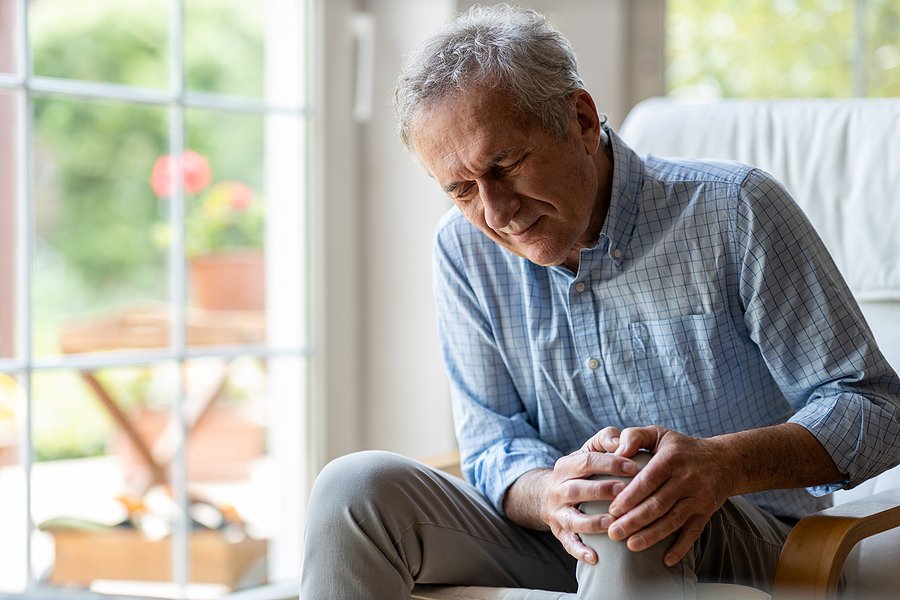
As we grow older, our knees bear the brunt of years of walking, climbing, working, and playing. It’s no surprise that knee pain is one of the most common complaints among senior citizens. The good news is that with the right lifestyle choices, exercises, and medical guidance, it is absolutely possible to maintain healthy knees and continue to stay active in your later years.
In this guide, I’ll walk you through practical, evidence-based tips on how to maintain knee health in the elderly and reduce the risk of chronic knee pain, knee arthritis, and loss of mobility.
Why Knee Health Matters in Old Age
Healthy knees are essential for:
- Walking and balance
- Climbing stairs
- Getting in and out of chairs or cars
- Maintaining independence and quality of life
When knee problems like osteoarthritis or cartilage wear set in it lead to:
- Persistent pain
- Stiffness
- Reduced mobility
- Risk of falls
- Dependence on others for daily activities
For elderly individuals in Goa and across India, focusing on knee joint health is one of the most important steps towards healthy ageing.
The most common cause of knee pain in elderly people is Knee Osteoarthritis, wherein the protective cartilage that cushions the joint gradually wears away.
Risk factors include age, obesity, previous injury, family history, and sedentary lifestyle and weakness of the muscles around the knee.
With age, muscles around the knee, especially the quadriceps (front thigh muscles) and hamstrings (back thigh muscles), often weaken. Weak muscles mean less support and stability for the knee joint thereby increasing the risk of
Meniscus(cushion within the knee)and Cartilage Degeneration and hence leading to rapid arthritic progression.
Key Principles for Maintaining Knee Health in the Elderly
To keep knees healthy and functional as you age, focus on these pillars:
- Keep moving (but move smartly)
- Maintain a healthy weight
- Strengthen muscles around the knee
- Protect your joints in daily activities
- Use the right footwear and support
- Eat a joint-healthy diet
- Seek medical help early when pain starts
Let’s discuss each in detail.
Stay Active, But Choose Knee-Friendly Activities
Contrary to popular belief, resting too much is not good for ageing knees. Long periods of inactivity can lead to stiffer joints and weaker muscles.
Instead, regular low-impact exercise helps lubricate the joint, nourish the cartilage, and keep muscles strong.
Best Exercises for Elderly Knee Health
Walking: A gentle daily walk on a flat surface is one of the simplest ways to maintain knee mobility. Start slow and gradually increase duration.
Cycling (stationary or outdoor): Smooth, repetitive motion with minimal impact. Ideal for strengthening the thigh muscles without straining the knees.
Swimming & water aerobics: Water supports your body weight, reducing stress on the knees while allowing full range of motion.
Gentle yoga and stretching: Improves flexibility of muscles and tendons around the knee.
Avoid or limit high-impact activities like running on hard surfaces, jumping, deep squats with weights, or abrupt twisting movements.
Maintain a Healthy Weight
Excess body weight is one of the biggest enemies of knee health.
Every extra kilogram of body weight can add several kilograms of force across the knee joint during walking or climbing stairs.
Over time, this extra load speeds up wear-and-tear of cartilage, leading to knee osteoarthritis.
For elderly individuals, even modest weight loss can result in a significant reduction in knee pain and improvement in function.
Practical Tips for Weight Management
Eat smaller, more frequent meals instead of heavy large meals.
Limit deep-fried and high-sugar foods.
Include more vegetables, fruits, whole grains, and lean protein (fish, pulses, eggs) in your diet.
Stay hydrated; sometimes thirst is mistaken for hunger.
Consult a dietitian if you have diabetes, heart disease, or other medical condition