ACL Surgery (Anterior Cruciate Ligament Reconstruction)
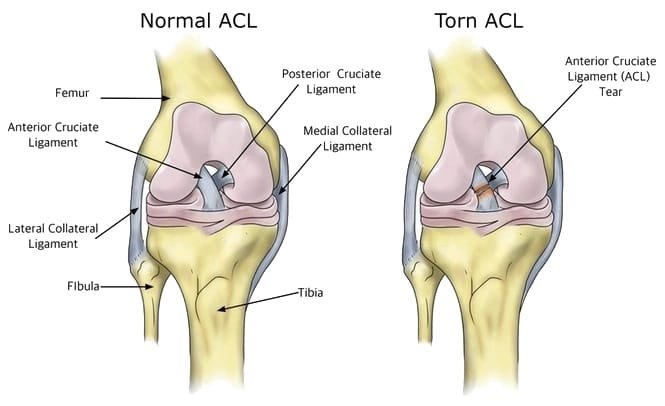
ACL reconstruction restores knee stability after ligament injury, commonly caused by sports or sudden twisting movements. The torn ligament is replaced with a graft to support confident movement and prevent further damage. With structured rehabilitation and strengthening, patients can safely return to sports and active lifestyles. The procedure also helps reduce the risk of future knee instability and joint degeneration.
Condition
Restoring Knee Stability After ACL Injury
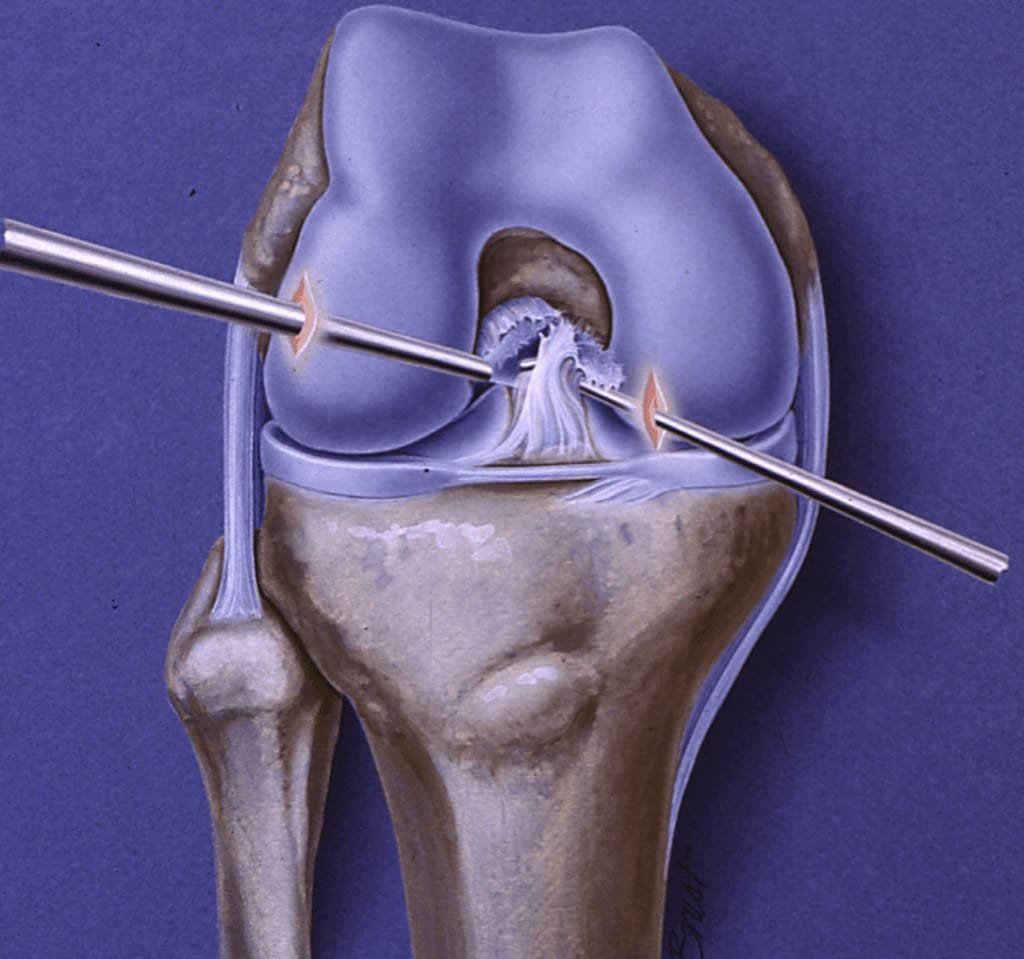
ACL surgery is performed to restore stability to the knee after a ligament tear, which often occurs during sports or sudden twisting movements. The damaged ligament is reconstructed using a graft, providing strength and stability needed for high-impact activities. Minimally invasive arthroscopic techniques allow for smaller incisions and faster recovery.
The choice of graft—whether from the patient’s own tissue or a donor—depends on lifestyle, activity level, and overall health. Modern surgical methods ensure precise placement of the graft, replicating the natural anatomy of the ACL. This significantly reduces the risk of reinjury and enhances long-term knee stability.
Recovery
Surgical Technique, Rehabilitation & Return to Activity
Rehabilitation begins soon after surgery and is essential for regaining full range of motion, strength, and balance. Physiotherapy is tailored to each patient, gradually progressing to sport-specific training when appropriate. Most individuals can return to sports once strength and neuromuscular control are adequately restored.
ACL reconstruction not only stabilises the knee but also prevents long-term complications such as cartilage damage or meniscus tears. With professional care and dedicated rehabilitation, patients can confidently return to an active lifestyle and maintain optimal knee health.